
Vape Device Types Explained UK: Full 2026 Guide

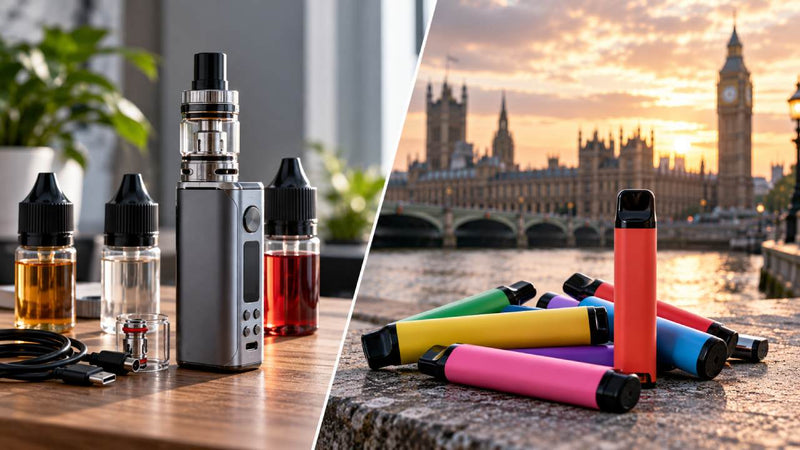
The main vape device types in the UK in 2026 are reusable pod kits, vape pens, pod mods and box mods, as single-use disposables have been banned since 1 June 2025. Pod kits use removable prefilled or refillable cartridges, vape pens have a narrow body with a pod or tank, and regulated mods offer wider power and airflow control.
Vape device types explained UK in 2026 include reusable pod kits, vape pens, pod mods and box mods. Single-use disposable vapes cannot legally be sold or supplied anywhere in the UK following the 1 June 2025 ban.
For adults who already smoke or vape, the main differences involve refill methods, battery design, coil replacement and airflow. You can compare each category without relying on confusing product names or exaggerated puff claims. Vaping carries risks, especially from nicotine dependence, and non-smokers should not start.
Vape Device Types Explained UK in 2026
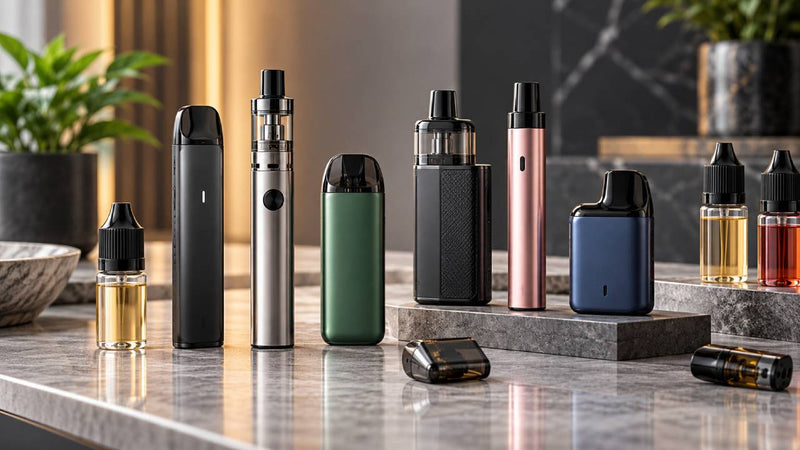
The UK market contains 4 useful reusable-device groups: pod kits, vape pens, pod mods and regulated box mods. Older cigalikes remain a smaller category, while single-use disposables no longer qualify for legal sale. The phrase “disposable-style” often describes a familiar shape or draw rather than the device's legal status.
Four reusable device groups
Pod kits hold e-liquid inside removable cartridges. Vape pens use a longer cylindrical body with a pod or tank. Pod mods add adjustable controls to a pod system. Box mods normally connect to separate tanks and offer broader power settings.
Those groups describe construction, not health outcomes. Every nicotine-containing device exposes you to addictive nicotine and other aerosol substances. The NHS smoking cessation guidance explains the different risk profiles of smoking and vaping.
Features that separate device types
Check 4 specifications before the product name: battery charging, e-liquid refills, replaceable heating elements and supported inhalation styles. A compact device can provide adjustable wattage. A large device can still use a restricted mouth-to-lung draw.
Manufacturers use terms such as “starter”, “advanced” and “all-in-one” for overlapping designs. Check the actual pod, tank and coil arrangement. You can then identify maintenance requirements before comparing equipment.
UK Disposable Vape Ban and Reusable Device Rules
The UK prohibited the sale, supply and intended sale stock of single-use vapes on 1 June 2025. The ban covers nicotine and nicotine-free single-use models across England, Scotland, Wales and Northern Ireland. You can still use qualifying reusable designs.
The legal test for reusable vapes
A reusable vape requires a rechargeable battery and a refillable e-liquid container. The design must also allow users to replace its heating coil, where a coil exists. A removable pod can contain the replaceable coil. Retailers must make compatible refills and replacement coils separately available.
Refilling can mean adding bottled e-liquid or fitting a fresh prefilled cartridge. Charging alone does not make a sealed, non-refillable device lawful to sell. A replaceable pod alone does not cure a battery that cannot recharge. Read the official single-use vape guidance for the detailed definitions.
Prefilled pods after the disposable ban
A prefilled pod kit retains its rechargeable device when you replace an empty cartridge. The cartridge holds a factory-filled e-liquid supply and usually an integrated coil. Replaceable cartridges create waste, but you keep the battery and main electronics.
Some retailer pages still use the word “disposable” for product collections. A marketing label cannot establish legal compliance. Check the specific device's rechargeable battery, replacement pod supply and replaceable coil design. Reject unsupported claims that any high-puff product automatically satisfies UK law.
Pod Kits: Prefilled and Refillable Systems
Pod kits use removable cartridges rather than a large separate tank. Many support mouth-to-lung (MTL) inhalation and automatic draw activation. The 2 main formats differ in how you replenish the liquid.
Prefilled pod kits and replacement cartridges
A prefilled kit pairs a rechargeable battery with sealed replacement pods. You do not pour liquid into the cartridge. You replace each pod when the manufacturer directs you to do so. Check cartridge availability before relying on a specific device family.
Prefilled formats reduce the handling required during liquid changes. They also limit your e-liquid choice to compatible cartridges. A brand name alone does not establish cross-model compatibility. Match the complete product code before ordering replacements.
Refillable pods and open systems
A refillable pod accepts bottled e-liquid through a filling port. Some systems use replaceable coils; other systems place the coil inside the replaceable pod. You should follow the manufacturer's filling and coil instructions rather than forcing unfamiliar parts.
Open systems give you control over compatible e-liquid formulations. Bottles, replacement pods and coils add separate maintenance tasks. Vape Lounge lists both formats within its refillable pod kit formats collection. Treat the collection descriptions as category guidance, then confirm specifications on individual product pages.
Pod maintenance and practical limits
Check the pod seal, mouthpiece and coil condition before use. You should replace a worn pod when leakage, damage or persistent burnt flavour appears. A stronger battery does not remove the need to maintain the liquid path.
A refillable pod cannot operate safely without enough liquid around its wick. Follow the supplied instructions for priming or settling a new coil. Never continue inhaling through a device that overheats or shows battery damage.
Vape Mods: Box Mods, Pod Mods and Power Control
Mods offer wider power or airflow control than basic fixed-output devices. Regulated box mods include electronics that manage output and built-in safety functions. Pod mods combine similar controls with removable pod cartridges.
Regulated box mods and tanks
A box mod normally supplies power to a compatible tank through a threaded connection. Wattage measures power in watts (W). Regulated devices let you adjust output within the coil maker's printed operating range. Screens can display resistance, battery level and selected output.
Check tank connection, coil rating and battery requirements as separate specifications. A compatible thread does not guarantee a safe coil and power combination. Larger batteries can store more energy, but runtime still depends on output and usage.
Adjustable pod mods and cross-category designs
A pod mod adds settings such as wattage adjustment, airflow control or multiple coil options. Some support restricted direct-to-lung (RDL) as well as MTL inhalation. Each compatible coil determines the recommended settings and e-liquid range.
A pod mod is not automatically a box mod. The pod cartridge remains the main liquid system. You can compare the design distinctions within Vape Lounge's regulated vape mod devices category, while checking actual model details individually.
Mechanical mods and extra battery risk
Mechanical mods lack the electronic regulation found in ordinary regulated box mods. Device faults and inappropriate battery loads can cause serious injury. Untrained users should not operate mechanical or rebuildable battery setups. Avoid treating power output as a measure of product safety.
Vape Pens and Starter Kits After the Ban
Vape pens feature a narrow, elongated body and an integrated battery. Rechargeable models with compliant, refillable tanks or cartridges remain distinct from banned single-use bars. A pen shape does not establish whether a product meets the reusable criteria.
Refillable vape pens and all-in-one kits
A pen may use a button-operated coil and a small refillable tank. An all-in-one (AIO) kit houses connected components within 1 assembly. Both arrangements can reduce the number of separate parts you handle.
Inspect the spare coil and tank availability before selecting either format. Missing replacement parts shorten useful device life. Some all-in-one models use proprietary components, so generic replacements will not fit.
Cigalikes and older cartridge designs
Cigalikes resemble tobacco cigarettes through a narrow cylindrical body. Rechargeable versions require replenishable cartridges and removable heating components under the single-use rules. Many older sealed cigalikes fail that test.
Small batteries and limited replacement ranges restrict practical use. Check the exact model rather than assuming that cigarette-shaped products remain legal. Adults seeking smoking cessation support should also consider licensed nicotine replacement therapy.
Vape Device Types Explained UK by Inhalation Style
The main inhalation categories are mouth-to-lung (MTL), restricted direct-to-lung (RDL) and direct-to-lung (DTL). Airflow, power and coil resistance shape the draw. Device shape alone cannot determine inhalation style.
Mouth-to-lung airflow
MTL devices produce a tighter draw. Users first collect aerosol in the mouth, then inhale. Compact refillable pods and many vape pens support MTL operation. A narrow airflow setting usually supports the restricted draw.
You should check the coil's specified liquid compatibility rather than relying only on the MTL label. Manufacturers can configure different coils for the same device. Nicotine delivery depends on concentration, aerosol output and how you use the device.
Restricted and direct-to-lung airflow
RDL devices create a moderately open draw between MTL and DTL styles. DTL devices use freer airflow and often higher power. Many regulated mods and advanced pods support one or both categories.
Higher power generally consumes more e-liquid and battery charge. Larger aerosol output does not establish lower health risk. If you already vape, use the device within its published specifications and avoid chasing maximum output.
E-Liquid Compatibility, Coil Resistance and Batteries
E-liquid and device compatibility depend on the coil, wick, airflow and power settings. A universal liquid recommendation cannot cover every pod and mod. Check the maker's supported liquid range before filling.
Nicotine strength and UK capacity limits
UK nicotine-containing liquids must not exceed 20 mg/ml nicotine strength. Regulated e-cigarette tanks are limited to 2 ml (about 0.07 UK fl oz), while nicotine refill bottles cannot exceed 10 ml (about 0.35 UK fl oz). The Medicines and Healthcare products Regulatory Agency (MHRA) oversees the product notification scheme.
These figures come from the UK e-cigarette product rules. They do not guarantee an individual product's quality or suitability. A seller must check actual product compliance, including packaging and notification requirements.
Nicotine is addictive. Adults who do not smoke should not start vaping. Smokers considering a change can seek support from an NHS Stop Smoking Service. A clinician can advise during pregnancy or when other health concerns apply.
Coil resistance and liquid thickness
Coil resistance uses ohms (Ω) to describe electrical opposition. Sub-ohm coils have a resistance below 1.0 Ω. Some lower-power pods use higher-resistance coils, while advanced pod systems can support sub-ohm options.
Vegetable glycerine (VG) affects liquid thickness and vapour output. Propylene glycol (PG) affects flow and throat sensation. A 50/50 VG/PG blend and a 70/30 VG/PG blend behave differently in small wicking ports.
Do not assume every sub-ohm coil needs one exact liquid ratio. Follow the instructions printed for the installed coil. A mismatched thick liquid can reduce wicking in a narrow pod channel.
Battery capacity and charging controls
Battery capacity appears in milliamp hours (mAh). A higher mAh figure describes stored charge, not guaranteed hours of use. Actual runtime also depends on selected wattage and puff frequency.
Use the charger or charging specification approved for your device. Disconnect damaged batteries and stop using swollen or overheating equipment. The NHS advises against unattended or overnight charging. Store removable batteries in protective cases, away from loose metal objects.
Device Maintenance, Battery Safety and Recycling
Routine checks help you identify wear before equipment fails. Disposable-device waste also creates fire risks when batteries reach ordinary household rubbish. UK retailers must offer take-back arrangements for electrical vaping waste.
A quick-reference task schedule
Use the table below as a general inspection framework. Device manuals take priority over suggested frequencies. Replace any damaged component immediately rather than waiting for a scheduled check.
|
TASK |
TIMING |
METHOD |
DIFFICULTY |
|
Inspect battery |
Before each use |
Look for damage, swelling or heat |
Easy |
|
Check pod seal |
At each refill |
Inspect seal and filling port |
Easy |
|
Review coil |
When flavour changes |
Check wick, resistance and wear |
Moderate |
|
Clean contacts |
Every 7 days |
Follow device cleaning guidance |
Easy |
|
Recycle worn parts |
At end of life |
Use retailer take-back or WEEE point |
Easy |
Liquid leaks and coil warning signs
Look for damaged seals, cracked cartridges or liquid entering the battery compartment. Wipe external contacts using the maker's cleaning instructions. Stop using equipment after severe leaks or unusual heating.
A persistent burnt taste indicates a possible dry or worn wick. Check the liquid level and compatible operating range first. Replace a damaged coil or pod rather than forcing higher power through the heating element.
Safe disposal of pods and batteries
Take used devices, batteries and suitable components to an authorised vape take-back or electrical recycling point. Never put lithium batteries into household rubbish or mixed kerbside recycling. Retailers must accept applicable returned vaping items under take-back obligations.
Protect loose battery terminals during transport. Ask the collection operator how to separate cartridges from electronics. Keep waste items away from children and pets. Reusable devices reduce whole-device disposal, but pods, coils and batteries still require responsible handling.
How to Compare Vape Device Categories
To compare vape device categories, start with legal reuse requirements, then assess compatibility, maintenance and safety. You can narrow the device family without relying on brand popularity or inflated puff estimates.
Check legal status before device features
Confirm rechargeable operation, available refills and the required replacement coil arrangement. Verify that the listing identifies a specific model rather than using “disposable” as a generic category. Any unavailable replacement component should prompt further investigation before purchase.
Compare upkeep, not only first cost
Count the consumable categories a device requires: replacement pods, bottled e-liquid, coils and batteries. A prefilled system relies on cartridge supply. A refillable system requires liquid handling and periodic coil or pod changes.
Avoid assuming the lowest initial price produces the lowest ongoing expense. Device lifespan, liquid consumption and replacement availability affect total ownership cost. Product prices change, so check the retailer's current listing instead of trusting an old blog figure.
Match equipment to existing smoking needs
Adults who smoke can discuss cessation goals with healthcare professionals before selecting an e-cigarette. The NHS supports vaping as 1 option for adults who want to stop smoking completely. The NHS also recommends specialist support to improve quitting outcomes.
Do not use device complexity as a reason to begin nicotine consumption. If you already vape, prioritise safe operation and a suitable cessation plan. Vaping is less harmful than smoking, but no vaping product is risk-free.
Frequently Asked Questions
Are disposable vapes legal to sell in the UK in 2026?
No. The UK banned the sale and supply of single-use vapes on 1 June 2025, including nicotine-free versions.
Are prefilled pod kits included in the single-use ban?
No, not automatically. Rechargeable kits with separately available replacement pods and compliant replaceable coils can qualify as reusable.
Can a vape mod use every tank or coil?
No. You must match the connection, supported resistance, battery requirements and manufacturer-rated wattage range.
Is a rechargeable vape always legal after the ban?
No. A legal reusable device also needs a refillable container and user-replaceable coil where a coil exists.
Is vaping harmless compared with smoking?
No. NHS guidance describes vaping as less harmful than smoking, while recognising nicotine addiction and uncertain long-term risks.
Final Guidance on Reusable Vape Devices
UK adults comparing devices should distinguish product construction from advertising labels. Pod kits use removable cartridges, vape pens favour a narrow body, and regulated mods offer broader controls. The single-use ban makes rechargeability, replenishment and coil replacement essential legal checks.
For practical specifications, review Vape Lounge's beginner starter kit details and confirm the requirements of each model. Use official government guidance when evaluating compliance. If your goal is to stop smoking, seek NHS cessation support alongside any equipment decision.