
Quit Smoking Vaping Support in the UK: 2026 Guide

Quit smoking vaping support in the UK starts with a free stop smoking adviser, a clear quit date, and practical craving management. You can get help through NHS services, local pharmacies, telephone advisers, and trusted people around you.
For adults who smoke, nicotine vaping offers a less harmful alternative to cigarettes. The main health benefit comes from stopping tobacco smoking completely. Vaping still carries risks, including nicotine dependence, and the healthiest long-term goal avoids both smoking and vaping.
Use public health services for clinical guidance rather than relying on a shop to make medical decisions. A specialist retailer can explain device compatibility, product instructions, and reusable equipment. Your local adviser can help you select a suitable smoking cessation method.
Quit Smoking Vaping Support Starts With a Local Adviser
Your local Stop Smoking Service offers free, personalised support. An adviser can discuss vaping alongside patches, gum, lozenges, and prescription treatments. Many services provide individual sessions by telephone, video, or in person.
NHS Better Health reports that professional support increases your chance of quitting successfully. Some services offer a vaping starter pack, while others focus on behavioural coaching and licensed stop smoking treatments.
Free NHS Stop Smoking Services
Find your nearest service through the NHS stop smoking service finder. Contact the service before attending, because local eligibility and appointment arrangements differ.
Ask about 3 practical matters: available appointment times, suitable nicotine support, and follow-up sessions. Tell the adviser whether you smoke daily, smoke occasionally, or already use a vape alongside cigarettes.
First Appointment and Personal Quit Plan
Your first appointment covers smoking habits, previous attempts, and personal triggers. An adviser can offer a carbon monoxide breath test and help you select a quit date.
Bring a written record of your usual cigarette count and your first cigarette time. Explain cravings during commuting, coffee breaks, meals, and stressful conversations. Precise examples help your adviser tailor support.
You can ask: “I want to stop cigarettes completely. Can you help me choose nicotine support and book weekly check-ins?”
UK Support Contacts Across All 4 Nations
Every UK nation offers a free stop smoking support route. England, Scotland, Wales, and Northern Ireland operate distinct services. Check the nation-specific website before planning an appointment.
England and Scotland
In England, use NHS Better Health and call the Smokefree National Helpline on 0300 123 1044. A local adviser can assess your smoking patterns and explain service availability.
In Scotland, NHS Inform directs smokers to Quit Your Way support. Call 0800 84 84 84 for assistance, or find an option through the NHS Inform website.
Wales and Northern Ireland
In Wales, Help Me Quit offers free guidance on 0800 085 2219. Welsh-language support also appears through Helpa Fi i Stopio. Choose telephone or local service contact options.
In Northern Ireland, Stop Smoking NI explains local services, quit kits, and text support. Find the appropriate programme through stopsmokingni.info rather than assuming England’s referral system applies.
A general practitioner (GP) or community pharmacist can also direct you towards local support. Ask specifically about vaping guidance and available nicotine replacement therapy (NRT).
Quit Smoking Vaping Support and Evidence-Based Choices
Nicotine vaping helps some adults quit cigarettes, particularly alongside behavioural support. NHS guidance describes nicotine vaping as substantially less harmful than smoking, although long-term risks remain uncertain.
Lower Exposure After a Complete Switch
Cigarette combustion creates tar, carbon monoxide, and thousands of chemicals. A vape heats e-liquid without burning tobacco. Switching completely reduces exposure to many toxic chemicals in cigarette smoke.
Smoking even occasional cigarettes continues to expose your body to harmful combustion products. Set a complete cigarette quit date rather than treating vaping and smoking as equally safe alternatives.
Nicotine remains addictive. Never start vaping if you do not smoke, and never give a vape to a child. Adults who quit smoking should eventually consider stopping vaping without returning to cigarettes.
Vaping and Licensed Nicotine Treatments
You have 2 broad nicotine-based options: vaping products and licensed NRT. Licensed NRT includes patches, chewing gum, lozenges, inhalators, and mouth sprays. Stop smoking medicines also include clinician-assessed tablets.
NHS information explains that nicotine vapes can support quitting, but no nicotine vape currently holds an NHS medicines licence. Your GP cannot prescribe an ordinary vape as a licensed medicine.
Some local schemes supply starter packs through smoking cessation services. Ask your adviser whether local funding or the Swap to Stop programme operates in your area.
A patch gives steady nicotine throughout the day. A vape provides nicotine during specific cravings. NHS guidance discusses combined patch and vape use for some adults; ask your adviser about suitability.
The First 28 Days Without Cigarettes
Build a 28-day plan around your quit date and weekly support. Plan your nicotine treatment, prepare for withdrawal, and track each smoke-free day. A written schedule makes the next action clear.
Preparation Before Your Quit Date
Choose a quit date within a realistic preparation period. Book your first adviser appointment, identify 3 smoking triggers, and remove cigarettes, lighters, and ashtrays from accessible spaces.
Tell 2 trusted people your quit date and the support you need. Ask one person to check in after work. Ask another to accompany you during a difficult routine.
Prepare a legal reusable device only after discussing your needs with an adviser. Check charging instructions, e-liquid compatibility, and the nicotine concentration printed on the packaging.
Daily Support During Your First Month
Track each day using a calendar or a note on your telephone. Mark cravings, nicotine support, and completed smoke-free days. Share difficult patterns during your follow-up appointment.
Use the quick-reference schedule below as a planning aid. Difficulty reflects a general planning estimate, not a clinical score. Your withdrawal experience and treatment needs will differ.
|
Timing |
Task |
Method |
Difficulty |
|
Before day 1 |
Book adviser; select quit date |
Service finder and written plan |
Moderate |
|
Days 1–3 |
Remove cigarettes; record cravings |
Daily tracking and nicotine support |
High |
|
Days 4–7 |
Review triggers and device fit |
Adviser check-in |
High |
|
Days 8–14 |
Strengthen smoke-free routines |
Daily check-in and activity plan |
Moderate |
|
Days 15–21 |
Plan for social situations |
Support contact and trigger notes |
Moderate |
|
Days 22–28 |
Review progress and next goals |
Adviser review and calendar |
Moderate |
Aim for complete tobacco abstinence throughout the schedule. Arrange additional contact when cravings interfere with your plan. You do not need to manage every difficult moment without help.
Reusable Vape Kits and Nicotine Strength Choices
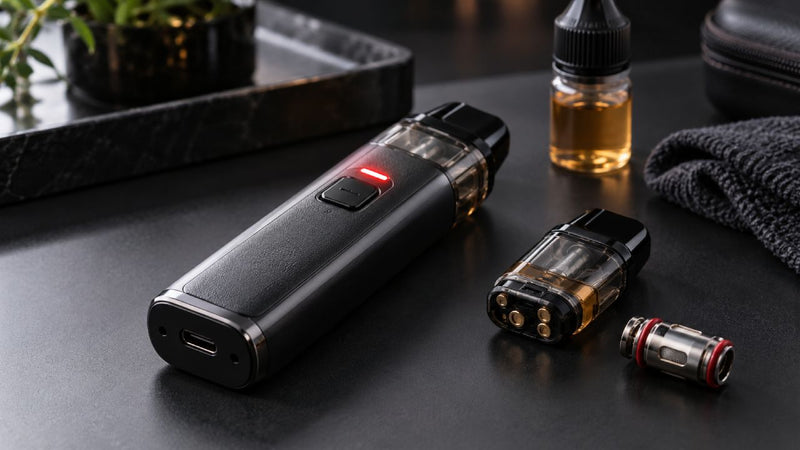
A simple rechargeable pod kit or vape pen often suits adult smokers who choose vaping. Device comfort, ease of maintenance, and an appropriate nicotine level matter more than large vapour clouds.
Beginner-Friendly Devices
Select devices that allow rechargeable use and replaceable or refillable pods. Compare basic device formats and manufacturer instructions before purchasing equipment.
Mouth-to-lung (MTL) devices use a cigarette-like inhaling style. Direct-to-lung (DTL) devices produce a different airflow experience. Ask a specialist retailer to explain the device differences without treating sales advice as medical care.
Choose a device with clear instructions and compatible replacement parts. Check for a secure battery compartment or built-in rechargeable battery. Avoid unfamiliar devices with missing safety information.
Nicotine Levels and Equipment Care
Match nicotine support to your smoking history with professional advice. UK nicotine-containing e-liquids generally have a legal nicotine limit of 20 mg/ml and retail bottles of 10 ml.
Products include nicotine salts and freebase e-liquids. Compare labelled strengths through nicotine salt e liquids, then discuss suitability with an adviser. Do not assume a higher strength suits every former smoker.
Check a pod before each refill and replace worn parts following manufacturer instructions. Keep compatible replacement pods and cartridges available so equipment problems never become a reason to smoke.
Vape batteries need careful handling. Use manufacturer-approved charging equipment, keep e-liquids away from children and pets, and avoid unattended or overnight charging.
Managing Cravings and Preventing Smoking Relapse
Respond to cravings immediately and ask for support before buying cigarettes. Withdrawal symptoms include irritability, concentration problems, increased appetite, disturbed sleep, and strong urges to smoke.
Immediate Responses to a Craving
Try 3 actions during an urge: change location, drink water, and contact a support person. Choose an activity such as walking outdoors or completing a small household task.
Notice the exact situation that triggered the urge. A coffee break, workplace stress, or social event often signals a learned smoking routine. Record the trigger for your next adviser session.
Review nicotine support with your stop smoking adviser when cravings remain intense. Do not make abrupt treatment changes without considering the risk of returning to cigarettes.
A Recovery Plan After a Cigarette
One cigarette does not cancel your decision to quit. Stop further cigarette use immediately, identify the trigger, and contact your adviser. Adjust the plan rather than hiding the lapse.
Write down the time, place, emotion, and person involved. Remove remaining cigarettes and arrange a new check-in. Ask about treatment changes when repeated lapses occur.
Treat relapse prevention as a continuing task. Keep a support telephone number accessible and prepare responses before parties, long journeys, or stressful workdays.
Pregnancy, Under-18s and Other Safety Needs
Pregnant people and young people need different advice from adult smokers. NHS guidance recommends licensed nicotine replacement products during pregnancy. Vaping remains unsuitable for non-smokers and children.
Pregnancy and Clinical Guidance
Speak with a midwife or GP before choosing nicotine support during pregnancy. Licensed NRT, including patches and gum, represents the recommended smoking cessation option.
Avoid cigarette smoke during pregnancy and around pregnant people. If vaping currently prevents tobacco smoking, discuss a personalised safety plan with your maternity team.
Ask a healthcare professional about persistent breathing symptoms, severe discomfort, or concerns about medication interactions. Retail staff cannot diagnose symptoms or replace clinical assessment.
Battery Care and UK Product Rules
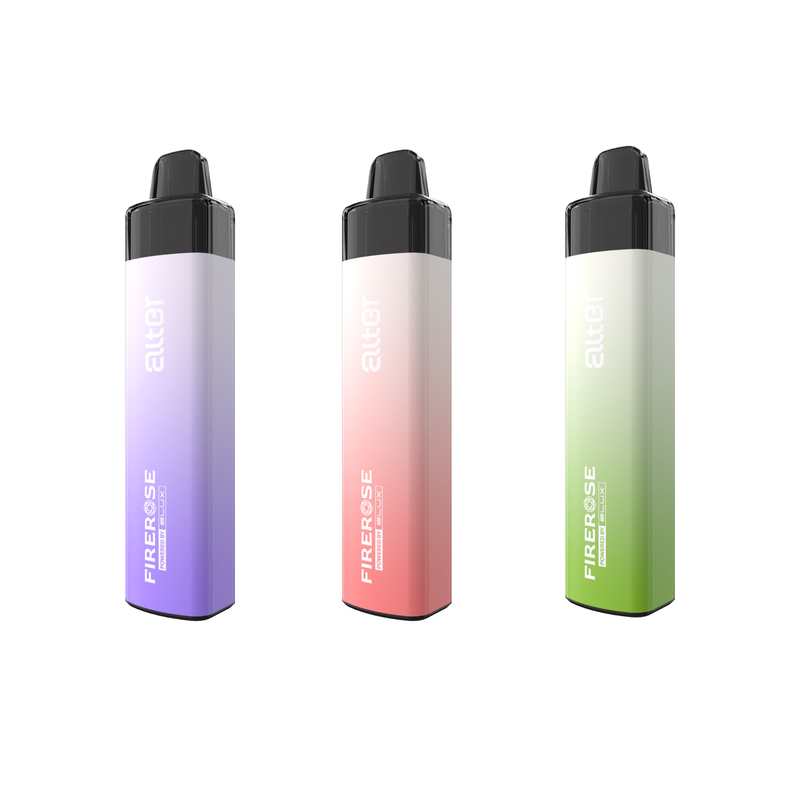
UK law banned the sale and supply of single-use vapes from 1 June 2025. The rules cover nicotine and nicotine-free disposables. Adults can still obtain legal reusable systems.
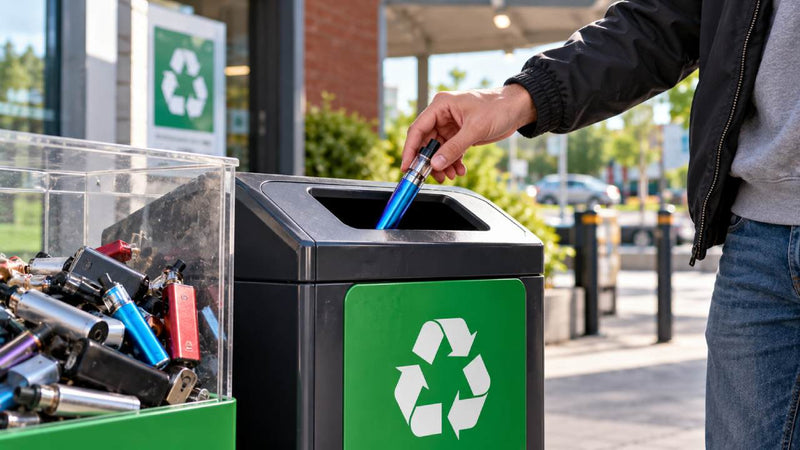
Keep vaping equipment and nicotine liquids away from children and animals. Dispose of used devices, batteries, and pods through suitable electrical recycling or retailer take-back routes.
Report suspected vape product safety problems through the Medicines and Healthcare products Regulatory Agency (MHRA) Yellow Card scheme. Seek urgent medical help for serious symptoms.
Reducing Vaping After Smoking Stops
Stay smoke-free first, then plan nicotine reduction when you feel confident. NHS advice warns that stopping vaping too early can increase the risk of renewed cigarette smoking.
Nicotine Reduction Without Renewed Smoking
Ask your adviser about reducing nicotine strength or spacing vaping sessions. Make one change at a time and track smoking urges carefully. Return to effective support if cravings rise.
For example, a person vaping every 20 minutes can trial longer intervals with appropriate advice. The NHS suggests increasing intervals towards 40 minutes as one gradual approach.
Avoid rushing towards zero nicotine while cigarette cravings remain strong. Consider licensed NRT support if you want to stop vaping completely and struggle with withdrawal.
Smoke-Free Milestones and Ongoing Support
Celebrate 7, 14, and 28 smoke-free days with meaningful, low-cost rewards. Track improvements in daily routines without inventing personal medical outcomes.
Continue support after the first month when needed. Some local services offer appointments for up to 12 weeks. Ask your adviser about follow-up availability and a longer-term relapse plan.
You can also encourage supportive behaviour from friends and family. Request cigarette-free visits, respectful check-ins, and practical help during high-risk social events.
Practical Support for Work, Home and Social Events
Prepare a specific plan for environments where you previously smoked. Your workplace, home, and social commitments can expose you to familiar triggers. Separate every trigger from the cigarette routine that followed.
Work Breaks and Daily Travel
Plan smoke-free breaks before your working day starts. Move away from established smoking areas and arrange a different route between buildings. Carry water and your adviser’s contact details.
Choose a 10-minute activity for lunch breaks, such as stretching indoors or walking around the building. Tell a trusted colleague that you are avoiding cigarettes. Ask colleagues not to offer tobacco during breaks.
Public transport, driving, and shift work create different pressures. Prepare a suitable activity before starting each journey. Follow local vaping restrictions and workplace policies instead of assuming vaping permission.
Support From People at Home
Explain your smoke-free goal to household members without asking everyone to follow your plan. Request that visitors avoid offering cigarettes and keep tobacco away from shared spaces.
Create a quiet place for brief breaks, breathing exercises, or adviser telephone calls. Store vaping liquids safely above children’s reach in a secure cupboard. Keep every device away from pets.
Ask someone you trust to recognise 2 warning signs, such as searching for cigarettes or skipping support appointments. Agree on a practical response before difficult evenings occur.
Social Events and Alcohol Triggers
Choose a departure time before attending a party or meal. Explain your cigarette-free goal to a friend who supports your choice. Keep a non-alcoholic drink available when drinking alcohol triggers smoking.
Leave a smoking area immediately when the smell or sight of cigarettes creates an urge. Contact a friend or your adviser if the temptation continues. Record the situation after returning home.
Make your plan sustainable rather than perfect. Use each successful smoke-free event to identify an action you can repeat. Request more structured support when the same trigger causes repeated lapses.
Frequently Asked Questions
Can vaping help me quit smoking in the UK?
Yes. Nicotine vaping helps some adults stop cigarettes, especially alongside behavioural support. The full benefit requires stopping cigarettes completely.
Is free quit smoking support available across the UK?
Yes. England, Scotland, Wales, and Northern Ireland offer free stop smoking support through their own health services.
Can an NHS adviser support me while I use a vape?
Yes. Local advisers can discuss vaping, nicotine treatment, cravings, and relapse prevention, even when you buy your own device.
Can I buy disposable vapes legally in 2026?
No. UK businesses cannot sell or supply single-use vapes. The ban began on 1 June 2025.
Should I stop vaping immediately after I quit cigarettes?
No. Keep smoking prevention as your first priority. Discuss gradual nicotine reduction with an adviser once you feel stable.
A Supported Route Towards Smoke-Free Living
Start with your local Stop Smoking Service and commit to a complete switch away from cigarettes. Set a quit date, schedule check-ins, and prepare a practical response to cravings. For adults who choose vaping after professional guidance, explore reusable beginner vape kits only as a product reference; use the NHS for clinical support.